- Contact Us Now: (800) 337-7755 Tap Here to Call Us












Sunbeam and Newell Brands Settle Lawsuit Alleging Crock-Pot Pressure Cooker Exploded and Caused Severe BurnsCrock-Pot Burn Injury Lawsuit


Electric pressure cookers are designed to cook food quickly by trapping steam inside a sealed cooking chamber. Because substantial pressure can build inside the appliance, consumers rely on safety mechanisms to prevent the lid from opening until that pressure has been safely released.
Several lawsuits alleging that a Crock-Pot Express Crock Multi-Cooker exploded and severely burned a Florida woman have reportedly reached a settlement shortly before the cases were scheduled to go to trial.
According to the lawsuits, the victims suffered serious burn injuries when the lid allegedly came off the Crock-Pot pressure cooker while the appliance remained pressurized. Hot food and liquid allegedly erupted from the cooker and struck the users.
The lawsuit named Sunbeam Products Inc. and Newell Brands Inc. as defendants and alleged that the Crock-Pot was defectively designed because its safety mechanisms failed to prevent the lid from being removed while dangerous pressure remained inside.
If you or a loved one suffered severe burns after a Crock-Pot Express, pressure cooker, or multi-cooker allegedly exploded, opened while pressurized, or sprayed hot contents, the Law Offices of Jason Turchin may be able to help evaluate a potential product liability claim.
What Does the Crock-Pot Lawsuit Allege?
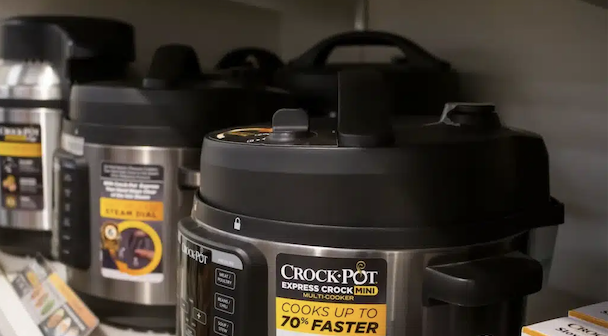
According to the lawsuit, the users purchased a Crock-Pot Express Crock Multi-Cooker and used the appliance as intended.
The complaints allege that the pressure cooker unexpectedly allowed its lid to be removed while the contents remained under pressure.
When the lid came off, the pressure inside the appliance allegedly caused scalding-hot food and liquid to erupt from the cooker.
The lawsuit alleged that Sunbeam and Newell Brands knew or should have known that the pressure cooker could allow consumers to open the lid while dangerous pressure remained inside. The defendants disputed the claims.
What Is the Crock-Pot Express Crock Multi-Cooker?
The Crock-Pot Express is an electric multi-cooker designed to perform several cooking functions.
Depending on the model, functions may include:
- Pressure cooking
- Slow cooking
- Steaming
- Sautéing
- Simmering
- Browning
- Keeping food warm
During pressure cooking, the appliance traps steam inside the cooking chamber. As the temperature rises, internal pressure increases. That pressure allows food to cook more quickly, but it also means the appliance must contain reliable safety systems.
Why Can a Pressure Cooker Explosion Cause Serious Injuries?
Food and liquid inside a pressure cooker may reach extremely high temperatures.
If the lid opens while the contents remain pressurized, the sudden release of pressure may cause steam, boiling liquids, and food to erupt from the appliance.
A person standing nearby may have little opportunity to move away.
Potential injuries may include:
- First-degree burns
- Second-degree burns
- Third-degree burns
- Facial burns
- Chest burns
- Arm and hand burns
- Eye injuries
- Permanent scarring
- Disfigurement
- Nerve damage
Children standing near a countertop may also be vulnerable to hot liquids released from a pressure cooker.
Crock-Pot Express Pressure Cookers Were Previously Recalled
The allegations involving Crock-Pot pressure cookers are particularly notable because Sunbeam previously recalled approximately 914,430 Crock-Pot 6-Quart Express Crock Multi-Cookers in the United States, along with additional units sold in Canada.
The Consumer Product Safety Commission announced the recall in November 2020.
According to the CPSC, the recalled Crock-Pot could pressurize when the lid was not fully locked, potentially causing the lid to suddenly detach while the product was in use. Hot food and liquids could then be ejected from the appliance, creating a burn hazard.
How Many Crock-Pot Injuries Were Reported?
At the time of the 2020 recall, Sunbeam had allegedly received 119 reports of lid detachment.
The CPSC also allegedly reported 99 burn injuries, ranging from first-degree to third-degree burns.
Those reports demonstrated the potentially serious consequences of a pressure cooker lid unexpectedly separating while the appliance is pressurized. The Law Offices of Jason Turchin filed numerous lawsuits against Sunbeam Products on behalf of victims burned by hot liquid while using their pressure cookers.
Which Crock-Pot Pressure Cookers Were Recalled?
The recall involved:
Crock-Pot 6-Quart Express Crock Multi-Cookers
The affected products were manufactured between July 1, 2017 and October 1, 2018.
Consumers should check their specific model and date code against the recall information rather than assuming every Crock-Pot appliance is affected.
The recall did not involve ordinary Crock-Pot slow cookers that do not operate as pressure cookers.
What Was the Crock-Pot Recall Remedy?
Consumers with recalled units were instructed to immediately stop using the appliance in pressure cooker mode. Sunbeam offered consumers a free replacement lid.
While waiting for the replacement lid, consumers could continue using the appliance for slow cooking and sautéing, according to the recall instructions, but they were advised not to use pressure-cooking functions.
What Was Wrong With the Crock-Pot Lid?
The recall focused on the possibility that the appliance could become pressurized even though the lid was not completely locked. Pressure cooker safety systems should prevent dangerous pressure from building when the lid is not properly secured.
Likewise, the lid should generally remain locked while dangerous pressure remains inside the cooking chamber. When either safeguard fails, the lid may potentially separate and allow pressurized contents to escape.
Pressure Cooker Safety Mechanisms
Modern electric pressure cookers may incorporate several safety features.
Depending on the appliance, these may include:
- Lid-locking mechanisms
- Pressure sensors
- Pressure-release valves
- Float valves
- Gaskets
- Electronic controls
- Temperature sensors
- Safety interlocks
These systems are intended to prevent foreseeable hazards associated with cooking under pressure.
A failure involving one or more components may potentially create a dangerous condition.
Can a Pressure Cooker Lid Open While the Appliance Is Still Pressurized?
It should not under normal operation. Safety features are designed to prevent the lid from opening while dangerous internal pressure remains.
However, lawsuits involving pressure cookers have alleged that defective locking systems, pressure indicators, or other components allowed lids to open prematurely.
When this happens, the pressure difference may cause hot contents to rapidly escape from the appliance.
Second-Degree Burns From Pressure Cookers
Second-degree burns extend beyond the outermost layer of skin and damage deeper skin tissue.
Potential symptoms may include:
- Severe pain
- Blistering
- Swelling
- Redness
- Skin discoloration
- Open wounds
More extensive second-degree burns may require specialized wound treatment and can result in permanent scarring.
Third-Degree Burns From Pressure Cooker Explosions
Third-degree burns destroy the full thickness of the skin and may damage underlying tissue.
Treatment may involve:
- Hospitalization
- Burn-center care
- Surgical debridement
- Skin grafting
- Reconstructive surgery
- Physical therapy
- Occupational therapy
Serious burns may leave permanent scars, contractures, nerve damage, and disfigurement.
Facial Burns From Exploding Pressure Cookers
Pressure cookers are commonly placed on kitchen countertops, potentially positioning a user’s face and upper body relatively close to the lid.
If the lid suddenly detaches, hot steam and food may strike the:
- Face
- Neck
- Chest
- Eyes
- Arms
- Hands
Facial burns may result in permanent scarring and, in severe cases, require reconstructive procedures.
Can Pressure Cooker Burns Cause Permanent Scarring?
Yes. Deep burns may permanently damage the skin.
Potential complications include:
- Hypertrophic scars
- Keloid scars
- Changes in skin pigmentation
- Contractures
- Limited range of motion
- Disfigurement
Burns near joints may also interfere with normal movement as scar tissue develops.
Product Liability Claims Involving Crock-Pot Pressure Cookers
A person injured by an allegedly defective pressure cooker may potentially pursue several types of product liability claims.
Design Defect
A lawsuit may allege that the pressure cooker was designed in a manner that allowed dangerous pressure to build or the lid to open prematurely.
Potential issues may involve:
- Lid-locking mechanisms
- Pressure sensors
- Safety interlocks
- Valves
- Gaskets
- Electronic controls
Manufacturing Defect
A particular pressure cooker may contain a manufacturing or assembly problem that prevents a safety component from operating as intended.
Failure to Warn
A lawsuit may allege that consumers were not adequately warned about a known or foreseeable risk of lid separation, pressure buildup, or hot-content ejection.
Negligence
Potential negligence allegations may involve:
- Product testing
- Safety testing
- Quality control
- Response to consumer complaints
- Recall timing
- Product monitoring
The viability of any claim depends on the specific evidence and applicable law.
Does the Crock-Pot Recall Automatically Prove a Lawsuit?
Not always, but it could give insight into what the defect is. A recall may provide important evidence regarding an identified product hazard, but it does not automatically prove that a particular appliance was defective or caused someone’s injuries.
An individual claim may require evidence establishing:
- The exact Crock-Pot model
- Manufacturing date
- How the appliance was being used
- Whether pressure remained inside
- How the lid separated
- Condition of the locking mechanism
- Nature and severity of the burns
Each incident requires an individual evaluation.
What If My Crock-Pot Was Not Included in the Recall?
A product does not necessarily need to be recalled for a potential product liability claim to exist.
If another Crock-Pot pressure cooker allegedly malfunctioned and caused serious burns, an investigation may examine:
- Model number
- Date of manufacture
- Lid design
- Locking mechanism
- Pressure-release system
- Whether components are shared with recalled products
- Prior similar incidents
A recall is not a prerequisite for filing a product liability lawsuit.
What If the Pressure Cooker Was Purchased Years Ago?
A potential claim may still warrant evaluation. However, product liability claims are subject to statutes of limitations and, in some states, statutes of repose. These deadlines vary by jurisdiction. Therefore, someone seriously injured by an allegedly defective pressure cooker may want to investigate their legal options promptly.
What If I Followed the Instructions?
Following the manufacturer’s instructions does not necessarily prevent a potential claim. In fact, whether the consumer used the appliance as directed may become important evidence.
A lawsuit may allege that the pressure cooker malfunctioned despite the consumer:
- Properly positioning the lid
- Following fill instructions
- Using appropriate cooking settings
- Releasing pressure as instructed
- Maintaining the appliance
The precise circumstances should be investigated.
What If I Accidentally Opened the Lid?
The answer depends on the circumstances. A manufacturer may argue that an injury resulted from misuse. However, a plaintiff may allege that the product’s safety systems should have prevented the lid from opening while dangerous pressure remained inside.
An investigation may examine whether the appliance allowed an action that its safety mechanisms were specifically intended to prevent.
What Evidence May Help Support a Crock-Pot Burn Injury Lawsuit?
Potential evidence may include:
- The pressure cooker
- Lid
- Gasket
- Pressure valve
- Inner pot
- Power cord
- Packaging
- Instructions
- Model number
- Date code
- Purchase receipt
- Online order records
- Photographs
- Videos
- Medical records
- Burn photographs
- Witness statements
The appliance itself may become one of the most important pieces of evidence.
Should I Throw Away an Exploded Crock-Pot?
Generally, not if a serious injury occurred. Preserve the appliance in its post-incident condition when possible.
Do not:
- Repair it
- Reassemble damaged components
- Replace the lid
- Test it again
- Plug it back in
- Throw away detached components
An engineer may need to inspect the pressure cooker to determine why it allegedly failed.
What If I Already Threw the Crock-Pot Away?
A potential claim may still warrant evaluation.
Other evidence may include:
- Photographs
- Videos
- Purchase records
- Product registration
- Packaging
- Model information
- Medical records
- Witness statements
However, preserving the appliance may substantially assist an engineering investigation.
What If I Received the Replacement Lid?
If an injury occurred after a recall repair or replacement lid was provided, the incident may still warrant investigation.
Potential questions may include:
- Was the replacement lid installed?
- Was it the correct replacement?
- Did the locking system operate normally?
- Did pressure remain inside?
- Did the lid detach?
- Were updated instructions followed?
Preserve the original and replacement components when available.
Are Crock-Pot Pressure Cooker Lawsuits Class Actions?
A burn injury lawsuit does not necessarily need to be a class action. People who suffer severe physical injuries typically pursue individual claims because damages may vary substantially based on:
- Burn severity
- Hospitalization
- Surgery
- Skin grafts
- Scarring
- Lost wages
- Future treatment
- Permanent impairment
The recently settled lawsuit was an individual personal injury case.
Does This Settlement Establish How Much Another Crock-Pot Case Is Worth?
No. The settlement terms have not been publicly disclosed. Even if the amount were known, one settlement would not establish the value of another pressure cooker injury claim. Potential compensation depends on the individual circumstances.
Compensation in a Crock-Pot Burn Injury Lawsuit
A person seriously injured by an allegedly defective pressure cooker may potentially seek compensation for various losses.
Medical Expenses
Potential compensation may include:
- Ambulance transportation
- Emergency treatment
- Hospitalization
- Burn-center treatment
- Surgery
- Skin grafts
- Wound care
- Rehabilitation
- Future medical treatment
Lost Income
Potential compensation may include lost wages and, in appropriate cases, reduced future earning capacity.
Pain and Suffering
Depending on applicable law, compensation may potentially be available for:
- Physical pain
- Emotional distress
- Permanent impairment
- Reduced quality of life
Scarring and Disfigurement
Permanent burn scars may substantially affect a person’s appearance and quality of life.
Future Medical Care
Severe burn victims may require:
- Scar revision
- Reconstructive surgery
- Physical therapy
- Occupational therapy
- Psychological treatment
What Should You Do After a Crock-Pot Pressure Cooker Burn Injury?
If a Crock-Pot or another pressure cooker allegedly exploded or opened while pressurized:
- Seek appropriate medical treatment.
- Preserve the pressure cooker.
- Preserve the lid and all detached components.
- Do not attempt to use the appliance again.
- Photograph the appliance.
- Photograph injuries as they heal.
- Save purchase records and packaging.
- Preserve the instruction manual.
- Keep medical records and bills.
- Consider speaking with an experienced pressure cooker accident attorney before returning or disposing of the appliance.
Why Pressure Cooker Cases May Require Expert Investigation
Pressure cooker cases may require mechanical or electrical engineers to determine why the appliance allegedly failed.
Experts may examine:
- Lid-locking mechanism
- Pressure valves
- Gaskets
- Electronic controls
- Pressure sensors
- Safety interlocks
- Wear patterns
- Damage to the lid
- Manufacturing specifications
Medical experts may also evaluate the extent of burn injuries and future treatment needs.
How the Law Offices of Jason Turchin May Help with a Pressure Cooker Explosion Lawsuit
The Law Offices of Jason Turchin represents individuals nationwide in defective pressure cooker, Crock-Pot burn, product liability, catastrophic burn injury, and wrongful death cases.
Our firm can assist by:
- Investigating the pressure cooker malfunction
- Preserving the appliance as evidence
- Reviewing recall and safety information
- Obtaining purchase records
- Documenting burn injuries
- Reviewing medical and surgical records
- Working with engineering and medical experts when appropriate
- Identifying potentially responsible manufacturers, distributors, and sellers
- Evaluating future medical and reconstructive needs
- Pursuing compensation through settlement negotiations or litigation when appropriate
Cases are generally handled on a contingency fee basis. Attorney’s fees and costs are waived if there is no recovery.
Frequently Asked Questions
What does the recently settled Crock-Pot lawsuit allege?
The lawsuit alleged that a Crock-Pot Express Crock Multi-Cooker allowed its lid to come off while the appliance remained pressurized, causing hot food and liquid to erupt and severely burn the plaintiff. The defendants disputed the allegations.
Did Sunbeam and Newell Brands settle the lawsuit?
Yes. The parties reportedly reached a settlement in various cases before trial.
How much was the Crock-Pot settlement?
The settlement amount and other terms have not been publicly disclosed.
Does the settlement mean Sunbeam admitted the Crock-Pot was defective?
No. A settlement resolves a lawsuit without necessarily establishing liability or an admission of wrongdoing.
Were Crock-Pot pressure cookers recalled?
Yes. Approximately 914,430 Crock-Pot 6-Quart Express Crock Multi-Cookers were recalled in the United States in 2020 because they could pressurize when the lid was not fully locked, creating a risk that the lid could suddenly detach.
How many Crock-Pot injuries were reported?
At the time of the recall, Sunbeam had reportedly received 119 reports of lid detachment and 99 reports of burn injuries, ranging from first-degree to third-degree burns.
What should I do if my Crock-Pot exploded?
Seek appropriate medical treatment and preserve the pressure cooker, lid, gasket, valves, packaging, purchase records, photographs, and medical documentation.
Can I file a lawsuit if my Crock-Pot was not recalled?
Potentially. A recall is not required for a product liability claim. The specific appliance and circumstances of the malfunction would need to be evaluated.
Can I file a lawsuit for second-degree burns?
Potentially. The viability and potential value of a claim depend on the alleged defect, medical evidence, severity of the burns, scarring, financial losses, and applicable law.
Should I preserve the pressure cooker?
Yes, particularly after a serious injury. The appliance and its components may be important evidence for determining how the alleged failure occurred.
Contact a Crock-Pot Burn Injury Lawyer
If you or a loved one suffered second-degree burns, third-degree burns, permanent scarring, disfigurement, eye injuries, or other serious harm after a Crock-Pot Express or another pressure cooker allegedly exploded, opened while pressurized, or ejected hot food and liquid, the Law Offices of Jason Turchin may be able to help evaluate your potential legal options.
Call (800) 337-7755 or chat with us for a free consultation. Attorney’s fees and costs are waived if there is no recovery.
