- Contact Us Now: (800) 337-7755 Tap Here to Call Us












File a Claim if Burned by a Heated Insole


Battery-powered heated insoles have become a popular solution for keeping feet warm during cold weather, early-morning outdoor activities, hunting, and long work shifts. But as convenient as they seem, many heated insoles contain lithium-ion batteries, the same type of battery known to cause fires and explosions in electronic devices. When these insoles malfunction, the results can be devastating: severe foot burns, tissue damage, infections, and permanent scarring.
If you were burned by a heated insole, you may be able to file a claim for compensation. The Law Offices of Jason Turchin is reviewing cases on behalf of victims nationwide who suffered injuries from overheating, melting, smoking, or exploding heated insoles.
This guide explains what you may need to know about filing a claim, what evidence you might need, some ways on how to protect your case, and what compensation may be available.
Heated Insoles: A Hidden Danger Inside Your Footwear
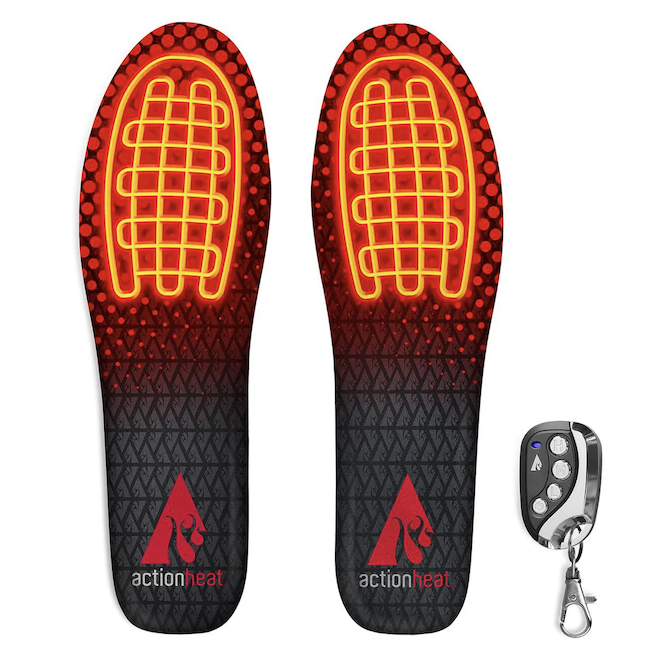
Heated insoles seem harmless on the outside, but inside many models is a rechargeable lithium-ion battery, a powerful energy source that becomes dangerous when it malfunctions. These failures are often unpredictable and can occur:
- While walking
- While standing still
- During outdoor activities
- Inside a hot or humid environment
- While the device is charging
- After normal wear and tear
When a heated insole begins to fail, it may:
- Overheat rapidly
- Emit smoke
- Produce a popping or hissing sound
- Melt through the shoe
- Ignite
- Explode
Because the insole is inside a boot or shoe, victims often cannot react quickly enough to prevent a burn.
Why Heated Insoles Malfunction
Many heated insole failures are linked to battery design flaws, poor insulation, or manufacturing defects. Common causes include:
1. Internal Short Circuits
Pressure from walking can compress the battery and damage internal components.
2. Overheating During Use
Faulty temperature regulators can allow heating coils to reach unsafe temperatures.
3. Moisture Intrusion
Sweat or water exposure can cause electrical failure.
4. Cheap or Counterfeit Lithium-Ion Cells
Many low-cost heated insoles contain unsafe battery components.
5. Wiring and Solder Defects
Loose or exposed wiring can spark fires or cause the battery to combust.
6. Defective Charging Systems
Overcharging or unstable USB chargers can trigger thermal runaway.
When a lithium-ion battery fails, its temperature can rise instantly, causing blistering burns and deep tissue damage within seconds.
Types of Burn Injuries Caused by Heated Insoles
Burns from heated insoles can range from mild to catastrophic. Injuries may include:
First-Degree Burns
Redness and pain but no blistering.
Second-Degree Burns
Blistering, fluid buildup, risk of infection.
Third-Degree Burns
Tissue destruction requiring medical intervention or grafts.
Thermal Explosion Injuries
Embedded debris or sudden force injuries from exploding batteries.
Infections
Foot wounds are especially susceptible to infection, which can complicate healing.
Mobility Impairment
Even minor burns on the foot may make walking painful.
Permanent Scarring
Foot burns often leave long-term marks and sensitivity.
If your injury required medical treatment, you may qualify for significant compensation.
Do You Have a Valid Heated Insole Burn Injury Claim?
You may be eligible to file a claim if:
- A heated insole overheated, smoked, melted, or exploded
- You suffered a burn or related injury
- You received medical treatment
- You bought the product or were gifted it
- You can identify the insole or have photos of it
Even if the product was purchased online or the brand is unknown, a law firm can help determine its origin and whether similar failures have occurred.
Who Can Be Held Liable If Burned By A Heated Insole?
Your claim may involve multiple responsible parties, including:
1. The Manufacturer
Many heated insoles are imported and may lack adequate safety testing.
2. The Distributor or Importer
Companies that bring the product into the U.S. may share responsibility.
3. Retailers
This includes Amazon, Walmart, eBay sellers, outdoor stores, and third-party vendors.
4. Battery or Component Manufacturers
If the lithium-ion battery or heating coil failed, component suppliers may be included.
Product liability law does not require you to prove negligence, only that the product was defective and caused your injuries.
What Compensation Can You Get If Burned By A Heated Insole?
Victims burned by a heated insole may be entitled to a wide range of damages, such as:
Medical Treatment Costs
- ER visits
- Burn care
- Skin grafts
- Wound care
- Follow-up appointments
Lost Income
If you were unable to walk, work, or perform your job due to your injury.
Pain and Suffering
Burns are among the most painful injuries a person can endure.
Emotional Trauma
Explosions or unexpected fires can lead to anxiety or fear of wearable electronics.
Permanent Scarring or Disability
Foot burns often leave long-lasting effects.
Future Medical Needs
Scar revision surgery, physical therapy, or ongoing burn treatment.
Property Damage
Boots, socks, flooring, or other items destroyed in the incident.
Step-By-Step Guide: How to File a Claim After a Heated Insole Burn
Below is a suggestion to help injury victims burned by heated insoles:
Step 1: Seek Immediate Medical Care
Burn injuries can worsen quickly and often require proper diagnosis. Medical records can become evidence.
Step 2: Preserve the Heated Insole
Do not throw it away or return it. Store:
- The insole
- Any melted pieces
- Fragments from an explosion
- The charger or cables
- Packaging
These items may be examined by engineers or battery experts.
Step 3: Photograph Everything
Take photos of:
- Your burns (multiple stages of healing)
- The damaged insole
- The footwear involved
- Any property damage
- The area where the incident occurred
Documentation strengthens your case significantly.
Step 4: Save Your Proof of Purchase
Amazon order history, store receipts, and bank statements can all help verify the product source.
Step 5: Recall What Happened
Think about details including:
- When the device began heating excessively
- Any sounds (popping, hissing)
- Smoke, odor, or flames
- How quickly the injury occurred
- Witnesses who saw the incident
Even small details can help demonstrate product failure.
Step 6: Contact a Product Liability Attorney
Manufacturers or sellers may ask for:
- The product
- A statement
- Photos
- A completed “incident form”
A product liability lawyer can protect your rights and handle all communication with retailers, manufacturers, and insurers.
Example Case: Heated Insole Explosion Injury
In a recent case, a user suffered a severe foot burn after a heated insole exploded inside his boot. The battery failed without warning, causing burns.
Cases like this highlight a growing trend of lithium-ion injuries from wearable heated products, including heated gloves, jackets, socks, and boot warmers.
Your experience may be similar and you may not be alone.
Frequently Asked Questions About Heated Insole Burn Claims
Do I need the insole to bring a claim?
It can be extremely helpful. If you no longer have it, photos may still support your case.
What if the heated insole was purchased on Amazon?
You may still have a claim. Amazon can be considered a seller and may share liability.
What if the insole was a gift?
You can still file a claim even if you did not purchase it yourself.
How long do I have to file?
Deadlines vary by state. Contact a lawyer quickly to preserve your rights.
Can children file claims?
Parents or guardians may file on a child’s behalf.
Do you charge upfront fees?
No. Our firm works on a contingency fee, meaning you pay no fees or costs unless we recover money for you.
Contact the Law Offices of Jason Turchin | Heated Insole Injury Lawyers
If a heated insole burned, overheated, or exploded, you may be entitled to compensation for your medical bills, pain and suffering, lost income, and other damages.
Call the Law Offices of Jason Turchin at (800) 337-7755 or visit VictimAid.com for a free case evaluation. There are no fees or costs unless we win your case.
