- Contact Us Now: (800) 337-7755 Tap Here to Call Us












How Much is My Pain and Suffering Worth After a Car Accident?


Quick answer: There is no fixed price for car accident pain and suffering. Its value depends on how serious and lasting your injuries are, your medical treatment, how the injury affects daily life, and who was at fault. In Florida, you may need to show a permanent or significant injury, and being more than 50% at fault can bar recovery.
If you are dealing with pain after a crash, you can call the Law Offices of Jason Turchin at 800-337-7755 for a free, confidential case evaluation.
Surviving a car accident is often the start of a long recovery. Adding up a repair bill or an emergency room visit is simple. Putting a dollar value on physical pain, sleepless nights and emotional trauma is much harder.
Many Floridians face this question every year. According to the Florida Department of Highway Safety and Motor Vehicles, over 238,000 people were injured in automobile accidents in Florida in 2025. Insurance companies often downplay non-economic damages, so it helps to understand how these claims are usually valued.
What counts as pain and suffering after a car crash?
Pain and suffering is a type of non-economic damages, meaning losses that do not come with a receipt. It covers the personal impact the crash has had on your body, your mind and your daily life.
Depending on the facts of your case, it may include:
- Physical pain: Pain from the injury itself, surgery and recovery.
- Emotional distress: Anxiety, fear of driving, depression or PTSD after the crash.
- Loss of enjoyment: No longer being able to work out, play with your children or enjoy hobbies.
- Inconvenience and limits: Needing help with daily tasks or living with ongoing restrictions.
For a deeper look at these damages under state law, see our guide on how much you can sue for pain and suffering in Florida.
How is pain and suffering calculated after a car accident?
No formula measures human suffering, so adjusters, lawyers and juries look at the whole picture of the injury and its effect on your life. Two common approaches are often used as starting points in negotiations.
- The multiplier method: Economic damages, such as medical bills and lost wages, are multiplied by a number often described as ranging from about 1.5 to 5. A minor soft tissue injury may get a lower multiplier, while a permanent, life-changing injury may justify a higher one.
- The per diem method: A daily dollar amount is assigned to each day you lived with pain, from the date of the crash until you reached maximum medical improvement (MMI).
Some insurance companies also use claims software, such as Colossus, to value injuries. These programs rely on the records entered into them, so missing treatment notes or gaps in care can lower the number an adjuster offers. Some insurance companies are even using AI tools to help with their claims administration.
Factors that often affect value include the type and severity of injury, the length of treatment, whether surgery was needed, whether the injury is permanent, and how clearly your records show its effect on your life.
Can you get pain and suffering in a Florida car accident claim?
You may be able to recover pain and suffering in Florida, but the state’s no-fault system adds a step. To pursue non-economic damages against the at-fault driver, you generally need to meet the injury threshold in Florida Statute §627.737.
That threshold can be met by a significant and permanent loss of an important bodily function, a permanent injury within a reasonable degree of medical probability, significant and permanent scarring or disfigurement, or death. Medical records and your doctors’ opinions are often central to showing this.
Your own Personal Injury Protection (PIP) coverage under Florida Statute §627.736 typically pays a portion of your initial medical bills and lost income, regardless of who caused the crash. PIP does not pay for pain and suffering, which is why the claim against the at-fault driver matters.
To learn more, read whether you can sue for pain and suffering in Florida.
How does fault affect what your pain and suffering is worth?
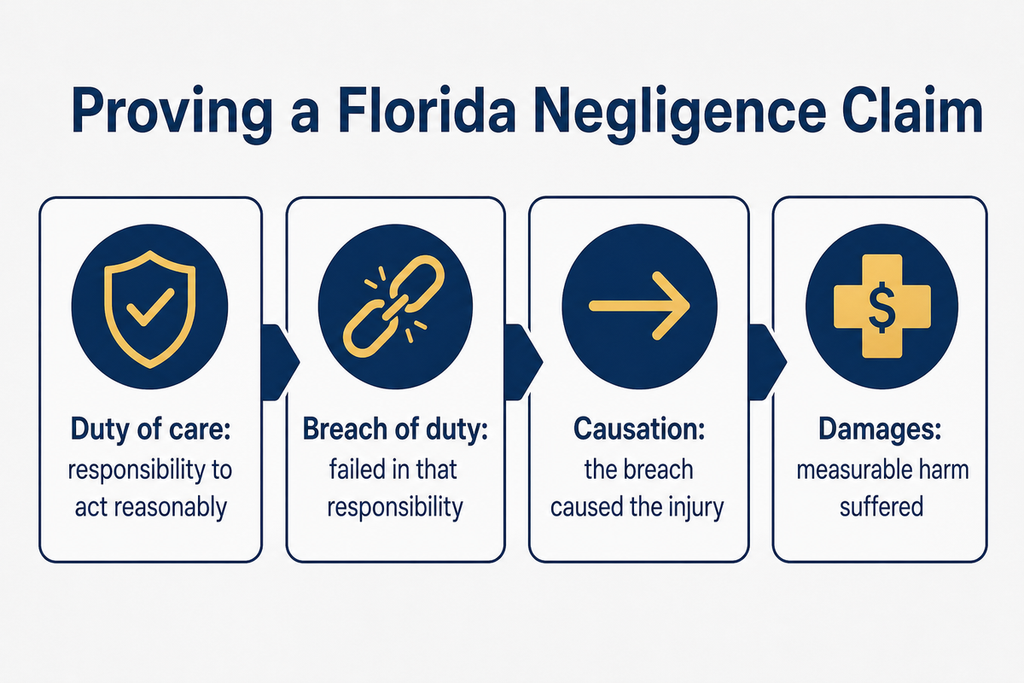
Your share of fault can reduce your recovery, and in Florida it can eliminate it. Under Florida Statute §768.81, as changed by 2023 tort reform, a person found more than 50% at fault for their own injuries generally cannot recover damages in a negligence case.
If you are 50% or less at fault, your damages may be reduced by your percentage of fault. Insurers often argue that the injured person shares the blame, so evidence about how the crash happened is important.
What other damages are part of a car accident claim?
Pain and suffering is only one part of a claim. Economic damages, which have a set dollar amount, are usually added to it and can also affect how pain and suffering is valued.
- Past medical bills: Ambulance rides, emergency room visits, surgery and imaging such as MRIs and X-rays.
- Future medical care: Ongoing physical therapy, future surgeries and long-term pain management.
- Lost income: Missed wages, salary, bonuses, and sick or vacation days used while recovering.
- Lost earning capacity: Reduced ability to earn in the future if you cannot return to your prior work.
- Property damage: Repair costs or, if the car is a total loss, its actual cash value. These claims are often handled separately and faster.
Our article on what compensation an injured person may get after a Florida car accident explains these categories in more detail.
How do insurance limits affect your settlement?
The amount you can realistically collect is often limited by the at-fault driver’s bodily injury insurance limits. A claim can be worth more than the available policy.
When that happens, an attorney may look for other sources, such as your own uninsured or underinsured motorist coverage, or other parties who share responsibility. You can read more about overall value in how much a car accident case is worth in Florida.
What evidence helps prove pain and suffering?
Because pain is not visible, the claim depends on records that show it. Gathering these early can help support your case:
- Medical records: Every visit, diagnosis, test and treatment plan.
- Consistent treatment: Following your doctor’s advice without long gaps in care.
- A pain journal: Daily notes on pain levels, sleep, mood and activities you missed.
- Photos and video: Injuries, the vehicles and the crash scene.
- Witness statements: Accounts from people who saw the crash or your recovery.
- Work records: Missed days and any change in duties.
- The crash report: The police report and any citations issued.
Is it worth hiring a lawyer, or should you negotiate with the insurer yourself?
You can negotiate on your own, but insurance adjusters handle claims every day and work to keep payouts low. A lawyer can help value the claim, respond to fault arguments and push back on a low first offer.
Negotiation usually starts with a demand letter that explains liability, your treatment and how the injury changed your life. Supporting evidence, such as records, the police report and your journal, can make that demand stronger.
Cost is a common concern. Our guide on how much a personal injury lawyer costs in Florida explains how contingency fees work.
What happens after a car accident settlement?
After a settlement, the insurer usually sends the funds to your attorney’s trust account rather than directly to you. The money then goes through a disbursement process:
- Resolving medical liens: Outstanding medical bills and health insurance liens are paid. These can sometimes be negotiated down.
- Fees and costs: The agreed contingency fee and any case costs are deducted.
- Your payment: The remaining balance is paid to you.
Personal injury settlements are often not taxed, but this can depend on the facts, so it is wise to ask a tax professional about your situation.
Why Choose the Law Offices of Jason Turchin
Attorney Jason Turchin founded the Law Offices of Jason Turchin, a personal injury firm based in Weston, Florida, and the firm helps car accident victims across South Florida and the rest of the state. The firm also handles personal injury cases in New York, New Jersey and Washington, D.C., and throughout the U.S. with a network of co-counsels and local counsels.
Jason Turchin has an Avvo 10.0 Superb Rating and was AV Preeminent Peer Rated for Highest Level of Professional Excellence by Martindale-Hubbell in 2026. He has been named to the Super Lawyers list from 2020 through 2026 and is a #1 Best Selling Author on Amazon.com on Accident Law.
Cases are handled on a contingency fee basis, with fees and costs waived if there is no recovery. Learn more about our contingency fee arrangement or see our car accident lawyer page.
Frequently Asked Questions
Is there a calculator for car accident pain and suffering?
Online calculators are often not reliable, and they cannot always account for your specific injuries, treatment, fault issues or insurance limits. Each claim is valued on its own facts.
How long does it take an insurance company to pay out a car accident claim?
It varies. Simple property damage claims may settle fairly quickly, while injury claims often wait until treatment is complete so the full extent of the injury is known. Disputes over fault or damages can add time, and some cases require a lawsuit. See how long a personal injury lawsuit takes in Florida.
Should I accept the insurance company’s first offer?
First offers are often low. Before accepting any offer, it may help to understand the full value of your claim, including future medical care, because a settlement usually ends your right to seek more.
What should I look for in a car accident lawyer who deals with insurance companies?
Look for experience with Florida car accident claims, clear answers about fees, and a willingness to explain how insurers value injuries. Our frequently asked insurance questions page covers more common concerns.
Talk to a Florida Car Accident Lawyer About Your Pain and Suffering
If you are struggling with pain and suffering after a car accident, do not let the insurance company decide what your injuries are worth. Call the Law Offices of Jason Turchin at 800-337-7755 or contact us online for a free, confidential case evaluation.
