Millions of Dollars
Recovered for Our Clients.
Recovered for Our Clients.
Let Us Fight for the Money You Deserve!










If you were injured in a Florida car accident involving a driver insured by GEICO, you may have questions about what GEICO will pay, whether you should give a recorded statement, how Florida PIP benefits work, what happens if the GEICO driver does not have enough insurance, and whether an early settlement offer is reasonable. The Florida car accident lawyers at the Law Offices of Jason Turchin have handled hundreds of claims involving GEICO and other car insurance companies. Our attorneys represent Florida residents and visitors injured in serious motor vehicle accidents throughout the state.
If you were seriously injured in a Florida accident involving GEICO, call 800-337-7755 or 888-99-VICTIM, or chat with our live agents for a free consultation.
GEICO may become involved in a Florida car accident claim in several different ways. It may insure the driver who allegedly caused the collision, insure a vehicle involved in the crash, or provide coverage to the injured person.
It is important to determine which type of GEICO claim is involved because your rights and obligations may differ depending on whether GEICO insures you or the other driver.
Potential GEICO-related claims can include:
Your health should come first after a serious motor vehicle accident. Seek appropriate medical attention and, when possible, take steps to document the collision and preserve evidence.
For a serious injury accident, evidence can become unavailable quickly. Surveillance footage may be overwritten, vehicles can be repaired or destroyed, and witnesses can become difficult to locate.
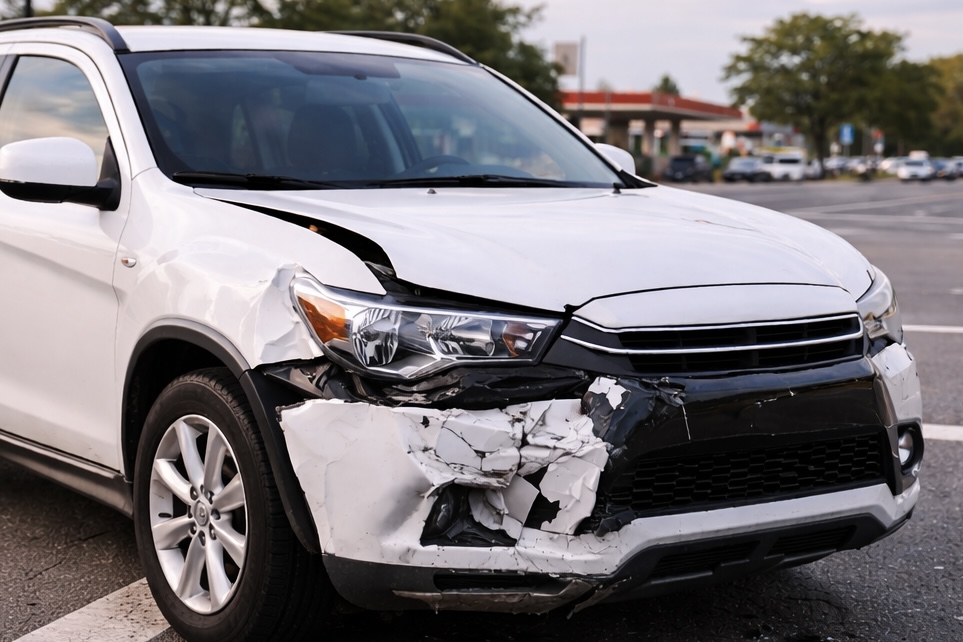
GEICO may assign an adjuster to investigate the accident and insurance claim. Depending on the circumstances, the investigation may involve reviewing the crash report, obtaining statements, examining vehicle damage, evaluating photographs and video, determining available insurance coverage, investigating fault, and reviewing medical information submitted in support of an injury claim.
An insurance adjuster may contact you shortly after the collision. You should be truthful in your communications, but you should not guess or speculate about facts you do not know.
If you suffered a significant injury, it may be helpful to understand your rights and obligations before providing a detailed recorded statement or signing documents that could affect your claim.
Whether you may be required to cooperate with a request for a statement can depend in part on whose insurance policy is involved.
If GEICO is your own insurance company, the policy may contain cooperation provisions or other requirements. If GEICO insures the driver who allegedly caused the accident, the analysis may be different.
Before providing a detailed recorded statement to another driver’s insurance company after a serious accident, you may want to speak with an attorney. Statements can later be compared with medical records, photographs, deposition testimony, and other evidence.
You should never intentionally provide inaccurate information to an insurance company, but you also do not need to guess about speed, distances, medical diagnoses, or other facts you do not know.
An insurance company may make a settlement offer before an injured person has completed medical treatment. Whether an offer is reasonable depends on the individual claim.
Before resolving a serious injury case, consider questions such as:
A settlement generally requires a release of claims against the parties covered by the agreement. Once an enforceable release is signed, you may not be able to seek additional compensation from the released parties if your injuries later prove more serious than anticipated.
Florida is commonly described as a no-fault automobile insurance state because Personal Injury Protection, commonly called PIP, can provide certain benefits following a covered motor vehicle accident regardless of who caused the collision.
Florida PIP generally provides up to $10,000 in medical and disability benefits, subject to statutory requirements, exclusions, deductibles, and limitations. PIP generally pays 80 percent of covered, reasonable and medically necessary medical expenses and 60 percent of covered disability benefits, subject to applicable law and policy provisions.
Florida law also generally requires an injured person to receive initial services and care within 14 days after the motor vehicle accident to qualify for PIP medical benefits.
The amount of medical benefits available can also depend on whether the injured person is determined to have an emergency medical condition as defined by Florida law.
PIP generally does not compensate an injured person for pain and suffering. It primarily provides certain medical, disability, and death benefits subject to Florida law.
A separate claim against an at-fault driver may potentially include noneconomic damages such as pain and suffering when the requirements of Florida law are satisfied.
For many Florida motor vehicle accident cases, the no-fault law contains a threshold for recovery of noneconomic damages. Depending on the circumstances, that threshold may involve significant and permanent loss of an important bodily function, permanent injury within a reasonable degree of medical probability, significant and permanent scarring or disfigurement, or death.
If GEICO provides bodily injury liability insurance to a driver or vehicle owner who allegedly caused your accident, that coverage may potentially pay damages for which the insured is legally responsible, up to applicable policy limits and subject to the policy.
A bodily injury claim may potentially include:
One important issue in Florida is that not every driver necessarily carries bodily injury liability insurance. The existence and amount of applicable coverage should be investigated rather than assumed.
Serious injuries can produce damages far greater than an at-fault driver’s available liability limits.
If the GEICO-insured driver does not have sufficient coverage, an attorney can investigate other potential sources of recovery. Depending on the circumstances, these may include:
Identifying all potentially applicable coverage can be especially important in accidents involving surgery, permanent disability, traumatic brain injuries, spinal injuries, or other catastrophic harm.
Uninsured motorist coverage, commonly called UM coverage, may provide benefits when an insured person is legally entitled to recover damages from a driver who does not have applicable bodily injury liability insurance. Underinsured motorist coverage may become relevant when the responsible driver’s available liability insurance is insufficient to cover the damages.
Florida law generally requires an insurer issuing qualifying motor vehicle liability coverage to offer uninsured motorist coverage. A named insured may reject UM coverage in writing or select certain alternative coverage permitted by Florida law.
If you have applicable GEICO UM coverage and were injured by an uninsured or underinsured driver, you may potentially have a claim under your own GEICO policy.
UM claims can involve questions about policy limits, stacking or non-stacking coverage, household members, covered vehicles, rejection forms, and other policy provisions. The actual policy documents should be reviewed before conclusions are reached about available coverage.
If you are insured by GEICO, your claim may involve coverage under your own automobile policy rather than a third-party liability claim.
Depending on the coverage purchased, your GEICO policy may potentially include:
Your declarations page is a useful starting point for determining the coverages and limits shown on the policy. For significant coverage disputes, the complete policy, endorsements, applications, and applicable selection or rejection forms may also need to be reviewed.
A GEICO-related automobile policy or claim may identify a specific underwriting company rather than simply using “GEICO” as the insurer’s legal name. Over the years, our firm has handled Florida automobile accident claims involving GEICO and affiliated insurers.
Depending on the policy, documents may reference companies such as:
The specific company identified on the insurance policy, declarations page, correspondence, or claim documents can be important. Rather than assuming which GEICO entity issued coverage, the policy documents should be reviewed.
Liability can become disputed when the drivers provide different accounts of a collision or when the available evidence is incomplete.
An investigation may include:
An insurance adjuster’s initial determination does not necessarily establish the final legal allocation of fault.
Florida uses modified comparative negligence for many negligence claims. For covered claims, a person who is found to be more than 50 percent responsible for his or her own harm generally cannot recover damages. If an injured person is 50 percent or less responsible, recoverable damages may generally be reduced according to the percentage of fault assigned to that person.
For example, if a person has $200,000 in legally recoverable damages but is ultimately found 20 percent responsible for the accident, comparative fault could potentially reduce the recovery by 20 percent.
Fault is frequently disputed. Statements from the drivers, witness accounts, photographs, video, physical evidence, and other information may affect the analysis.
Having a prior injury or medical condition does not necessarily prevent you from pursuing a claim after a new car accident.
A collision may cause a new injury or potentially aggravate a preexisting condition. When the same body part was treated before the accident, medical evidence can become particularly important in determining whether and how the person’s condition changed after the crash.
Relevant evidence may include prior medical records, post-accident treatment, diagnostic imaging, physician opinions, symptoms before and after the collision, and the person’s functional abilities.
It is important to provide accurate information about prior accidents, injuries, and medical treatment.
An insurance company may request authorization to obtain medical records. Before signing a broad medical authorization after a serious accident, consider understanding what records the authorization permits the insurer to obtain and for what period of time.
The appropriate response may also depend on whether GEICO is your own insurer or the liability insurer for another driver.
A denial does not necessarily mean that there are no additional options. The reason for the denial should first be identified.
A dispute might involve:
Depending on the circumstances, additional evidence, further negotiations, or litigation may be appropriate.
Our Florida injury lawyers may represent accident victims in claims involving:
Our injury practice focuses on people who suffered physical injuries. We are generally not the appropriate firm for disputes involving only insurance premiums, vehicle repairs, policy cancellations, or minor property damage without a bodily injury claim.
For many Florida negligence claims arising from car accidents occurring on or after March 24, 2023, the statute of limitations is generally two years. Different rules may apply to older accidents and particular defendants or causes of action.
A wrongful death action is also generally subject to a two-year limitations period, although the deadline applicable to a particular claim should be evaluated individually.
The statute of limitations is not the only reason to act promptly. Surveillance video may be erased, witnesses may become unavailable, vehicles can be repaired or destroyed, and other evidence may disappear long before the legal filing deadline.
There is no reliable “average GEICO settlement” that can determine the value of an individual Florida car accident claim.
Potential case value can depend on factors including:
A claim involving a temporary injury can be very different from one involving surgery, permanent impairment, a traumatic brain injury, spinal cord damage, or other catastrophic injuries. The insurance company’s name alone does not determine what a claim is worth.
You are not required to hire a lawyer simply because GEICO is involved in an accident claim. Some minor accidents involving only property damage may be handled directly with an insurer.
When a collision causes a significant injury, an attorney can investigate fault, preserve evidence, identify potentially available insurance coverage, review PIP and UM issues, document damages, communicate with the insurers, evaluate settlement offers, and determine whether litigation may be appropriate.
The Law Offices of Jason Turchin has handled hundreds of GEICO-related claims. Learn more about our motor vehicle accident practice, attorney Jason Turchin, prior verdicts and settlements, and client reviews.
Additional information is available through the Law Offices of Jason Turchin’s Florida car accident lawyers.
In many third-party car accident cases, the underlying negligence claim is against the driver or another responsible party rather than directly against that person’s automobile liability insurer. GEICO may provide insurance coverage and handle the defense or potential settlement of the covered claim. Different legal issues can arise when GEICO is your own insurer or when there is a dispute over insurance coverage.
There is no single timetable for resolving every GEICO injury claim. The time needed can depend on the severity of the injuries, length of medical treatment, liability disputes, available insurance coverage, documentation of damages, settlement negotiations, and whether a lawsuit becomes necessary.
If applicable GEICO liability or uninsured motorist coverage is available, a claim may potentially include legally recoverable pain and suffering damages when the facts satisfy Florida law. Florida’s motor vehicle no-fault law contains a threshold affecting recovery of noneconomic damages in many automobile accident cases.
Available liability limits should be investigated along with other potential sources of insurance and recovery. Depending on the circumstances, there may be uninsured or underinsured motorist coverage, another automobile policy, commercial coverage, employer liability, or another responsible party.
You should be truthful when communicating with an insurance company, but you do not need to speculate about facts you do not know. After a serious injury, consider understanding your rights and obligations before providing a detailed recorded statement or signing a release or broad authorization.
Potentially. For many negligence claims, Florida’s comparative fault law allows a person who is 50 percent or less responsible to potentially recover damages reduced according to that person’s percentage of fault. A person found more than 50 percent responsible for his or her own harm is generally barred from recovery under the modified comparative negligence rule applicable to covered claims.
An injured passenger may potentially have a claim even when the driver of the vehicle in which the passenger was riding caused the accident. The insurance analysis can involve PIP coverage, the involved drivers and vehicle owners, household policies, bodily injury coverage, and uninsured or underinsured motorist coverage.
Insurance companies may obtain information about prior claims and accidents through legally available sources. A previous accident does not automatically prevent a new injury claim, but prior injuries and treatment can become relevant when the same body part is involved.
Our car accident cases are handled on a contingency fee basis. There are no fees or costs owed to our firm unless there is a recovery.
The Law Offices of Jason Turchin has handled hundreds of claims involving GEICO and its affiliates. Jason Turchin has more than 20 years of experience representing people injured in car accidents and other serious injury cases.
His professional recognition includes:
Every GEICO accident claim is different. Our attorneys can evaluate the accident, applicable insurance policies, injuries, damages, and available evidence to determine what options may be available.
If you were seriously injured in a Florida car accident involving a GEICO-insured driver or have a significant injury claim involving your own GEICO policy, the Law Offices of Jason Turchin can review your case and available insurance coverage.
Call 800-337-7755, call 888-99-VICTIM, or chat with our live agents for a free consultation.
All car accident cases are handled on a contingency fee basis, meaning there are no fees or costs owed to our firm unless there is a recovery.
