
Millions of Dollars
Recovered for Our Clients.
Recovered for Our Clients.
Let Us Fight for the Money You Deserve!











An elevator is something most people step into without thinking twice. When an elevator suddenly drops, mislevels with the floor, closes its doors on a passenger, stops abruptly, or otherwise malfunctions, the resulting injuries can be serious.
Attorney Jason Turchin has experience handling elevator accident cases in Florida. Our Florida personal injury lawyers can investigate whether an elevator accident may have resulted from improper maintenance, a mechanical problem, negligent inspection, defective equipment, or another potentially dangerous condition.
If you or a loved one was seriously injured in an elevator accident in Miami, Fort Lauderdale, Orlando, Tampa, West Palm Beach, Naples, or elsewhere in Florida, call 800-337-7755 or chat with our live agents for a free consultation.
Elevator accidents can happen in many different ways. Some involve obvious mechanical problems. Others involve conditions that a passenger may not recognize until an accident occurs.
Our Florida elevator accident lawyers may investigate claims involving:
One potentially dangerous elevator problem occurs when the elevator car stops above or below the level of the floor outside it. A passenger may reasonably expect the elevator floor and landing to be substantially level. When they are not, the unexpected elevation difference can create a tripping hazard.
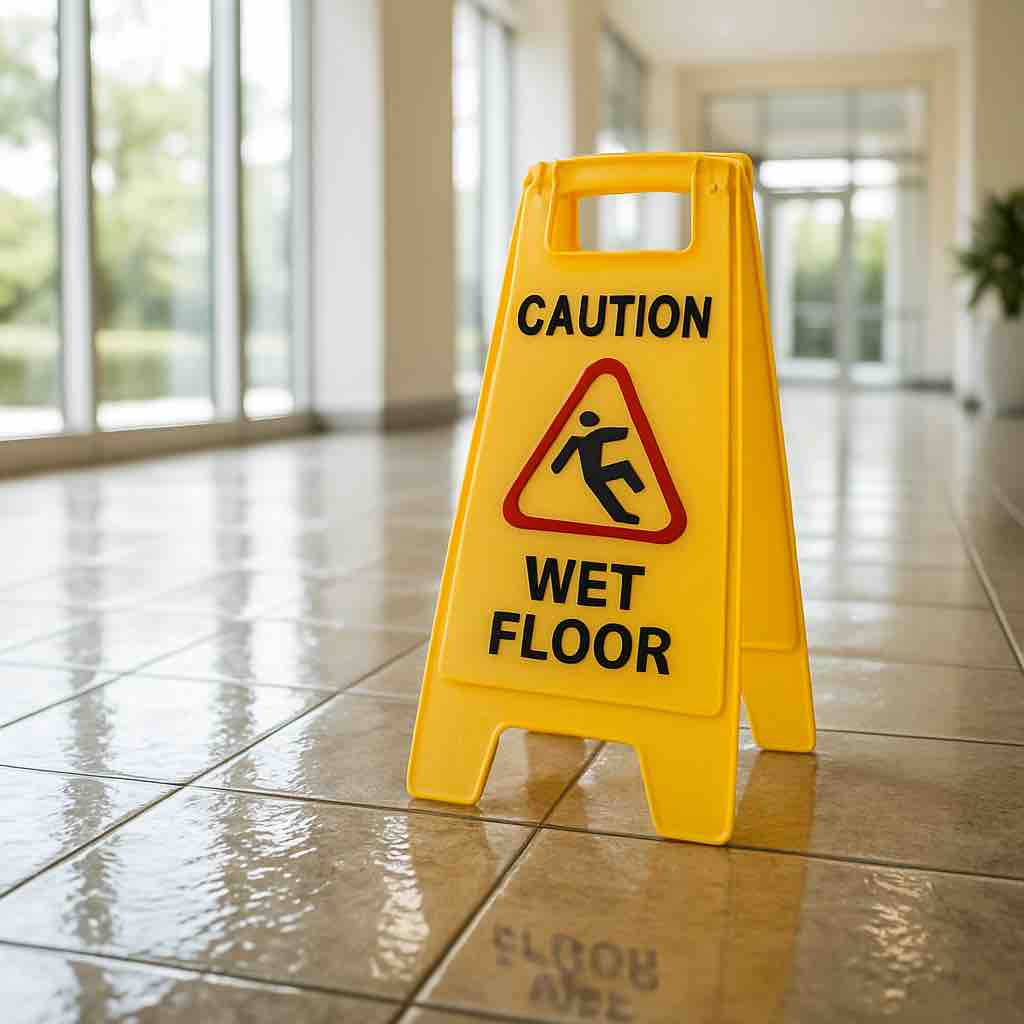
These accidents can cause fractures, knee and shoulder injuries, head injuries, spinal injuries, and other trauma, particularly when the passenger is elderly or has limited mobility.
An investigation may examine maintenance and repair records, prior complaints, inspection history, leveling equipment, service calls, surveillance video, and whether the elevator had previously experienced similar problems.
Depending on the facts, an elevator misleveling accident can involve principles similar to other slip and fall and premises liability claims.
Modern elevator doors generally use systems designed to detect passengers or objects in the doorway. An accident can occur when doors close unexpectedly or fail to reopen appropriately.
A closing elevator door can strike a passenger, trap an arm or leg, cause someone to fall, or create other injuries. Determining why the door behaved unexpectedly may require examination of sensors, door operators, timing, adjustment, maintenance history, and other components.
Evidence that the elevator previously experienced door problems or required repeated service may also become relevant to determining whether a potentially dangerous condition should have been identified and corrected.
Passengers sometimes describe an elevator accident by saying the elevator “dropped,” “fell,” or suddenly moved downward. The actual mechanical event may require investigation by a qualified elevator professional or engineer.
Potential issues could involve elevator controls, braking systems, hydraulic components, leveling systems, electrical components, maintenance, or other equipment. A passenger’s description of what happened is important, but determining the mechanical cause may require reviewing records and inspecting the elevator.
For that reason, an attorney investigating a serious elevator accident may seek maintenance records, repair records, inspection reports, prior complaints, accident reports, and information concerning work performed before or after the incident.
Florida has a specific regulatory framework governing elevators and other vertical conveyances. Chapter 399 is known as the Florida Elevator Safety Act and addresses elevator safety, inspections, certificates of operation, maintenance, accident reporting, and regulation of elevator professionals.
The Florida Department of Business and Professional Regulation’s Bureau of Elevator Safety regulates elevators, escalators, moving walks, dumbwaiters, stairway chairlifts, and certain wheelchair lifts throughout much of Florida.
Florida law generally places responsibility for safe operation, proper maintenance, required inspections, and correction of code deficiencies on the elevator owner after a certificate of operation has been issued. Responsibility can vary depending on contractual arrangements and the circumstances surrounding an accident.
These regulatory requirements can become important evidence in an elevator injury case, but a regulatory violation does not necessarily determine civil liability by itself.
Florida generally requires elevators and other covered conveyances to undergo periodic safety inspections. There are exceptions for certain elevators that meet specific statutory requirements, so the inspection obligations for the particular elevator involved in an accident should be investigated rather than assumed.
Inspection records can potentially identify:
The Florida Bureau of Elevator Safety maintains inspection information, and some counties or municipalities may perform elevator regulatory functions through agreements with the state.
Florida law also contains a specific reporting requirement after an elevator accident. The holder of the elevator’s certificate of operation generally must report an accident occurring in or upon an elevator to the appropriate state division within five working days.
This requirement can create an important source of evidence. The Florida Bureau of Elevator Safety maintains reported elevator accident data containing information such as the accident date, location, elevator identification, reported injuries, mechanical or safety issues, and information concerning post-accident inspections.
When investigating a serious elevator injury, these records may help establish what was reported shortly after the incident and identify information that warrants further investigation.
Elevator cases can involve multiple companies and potentially overlapping responsibilities. Depending on the circumstances, potentially responsible parties may include:
Determining responsibility often requires obtaining contracts and maintenance records to identify which company was responsible for inspecting, servicing, repairing, or maintaining the elevator.
For example, an apartment complex may own the elevator but contract with an elevator company to perform routine maintenance. Another company may have performed a recent repair. If a component itself failed because of an alleged defect, the case could also involve product liability.
Evidence can change quickly after an elevator accident. A maintenance company may be called to the property immediately, and components may be adjusted, repaired, or replaced before an injured passenger has an opportunity to determine what went wrong.
Potential evidence may include:
If possible, take photographs or video of any visible condition associated with the accident and write down exactly what you remember while the details are fresh.
Our firm can investigate accidents involving passenger elevators as well as freight and cargo elevators.
Freight elevators may be used in warehouses, hotels, commercial buildings, restaurants, hospitals, and other facilities. Accidents involving workers may raise additional questions concerning workers’ compensation, third-party liability, contractors, maintenance companies, or defective equipment.
The type of elevator does not determine whether a claim exists. The investigation generally focuses on why the accident happened, who was responsible for the equipment, and whether negligence or another legally recognized basis for liability contributed to the injury.
A sudden elevator movement, fall, door strike, or trip can potentially cause:
If an elevator accident results in a fatal injury, surviving family members may have rights under Florida’s wrongful death laws.
When another party may be legally responsible, recoverable damages can depend on the circumstances and severity of the injury. Potential damages may include medical expenses, future medical care, lost wages, loss of future earning capacity, pain and suffering, disability, disfigurement, and other legally recoverable losses.
The potential value of an elevator injury case depends on the evidence, liability, available defendants, insurance coverage, nature of the injury, medical treatment, prognosis, and other case-specific factors.
Jason Turchin has experience handling elevator accident cases in Florida, including investigating how an accident occurred and which companies or property owners may bear responsibility.
Jason has more than 20 years of experience representing injury victims. His professional recognition includes:
Learn more about Jason Turchin, review our prior verdicts and settlements, or read our client reviews. Additional information about our injury practice is available through the Law Offices of Jason Turchin personal injury practice.
Potentially. Whether a claim exists depends on why the elevator moved unexpectedly, whether negligence or a defect contributed to the incident, who was responsible for the elevator, and whether the malfunction caused an injury. Maintenance, repair, and inspection records can become important evidence.
Potentially. Elevator misleveling can create a tripping hazard. An investigation may examine why the elevator failed to properly level, whether the problem had happened before, and whether responsible parties knew or should have known that maintenance or repair was necessary.
Florida’s Elevator Safety Act generally places responsibility for safe operation, proper maintenance, required inspections, and correction of code deficiencies on the elevator owner after the certificate of operation has been issued, although responsibilities can potentially be assigned or shared through contracts. Identifying every potentially responsible party often requires reviewing the circumstances of the particular elevator.
Covered elevators are generally subject to annual inspection requirements, although Florida law provides exceptions for certain elevators that satisfy specific requirements. The inspection history for the particular elevator involved in an accident can be investigated.
Florida law generally requires the certificate of operation holder to report an accident occurring in or upon an elevator within five working days. The state’s Bureau of Elevator Safety maintains elevator accident information that may become relevant to an injury investigation.
Possibly. If an accident resulted from an allegedly defective elevator or component rather than inadequate maintenance or repair, a product liability claim may need to be investigated against a manufacturer or another company in the product’s distribution chain.
There is no standard settlement amount. Potential value depends on factors including how the accident happened, the available evidence, the severity and permanence of the injuries, medical treatment, future care, lost income, disability, pain and suffering, and the parties who may be legally responsible.
Our elevator accident cases are handled on a contingency fee basis. There are no fees or costs owed to our firm unless there is a recovery.
If you or a loved one was seriously injured because an elevator dropped, misleveled, malfunctioned, closed on a passenger, or experienced another potentially dangerous failure, our attorneys can review what happened and determine whether we may be able to help.
Call the Law Offices of Jason Turchin at 800-337-7755 or chat with our live agents for a free consultation. We investigate elevator accident claims in Miami, Fort Lauderdale, Orlando, Tampa, West Palm Beach, Naples, and throughout Florida.
All cases are handled on a contingency fee basis, meaning there are no fees or costs owed to our firm unless there is a recovery.
