
Millions of Dollars
Recovered for Our Clients.
Recovered for Our Clients.
Let Us Fight for the Money You Deserve!











Heated clothing products have grown in popularity as consumers look for ways to stay warm in cold environments. Among these products, heated socks are commonly used for outdoor work, winter sports, travel, and everyday comfort. These socks typically rely on battery-powered heating elements designed to provide consistent warmth over extended periods.
However, when these products malfunction, the consequences can be serious. Reports of overheating heated socks have raised concerns about potential burn injuries and product defects. In 2026, the U.S. Consumer Product Safety Commission (CPSC) announced a recall of certain heated socks sold by 32 Degrees due to a burn hazard, highlighting the risks associated with these products.
If you or a loved one were burned while using heated socks or similar wearable devices, you may have legal options worth exploring. The Law Offices of Jason Turchin can represent individuals nationwide in product liability and burn injury cases.
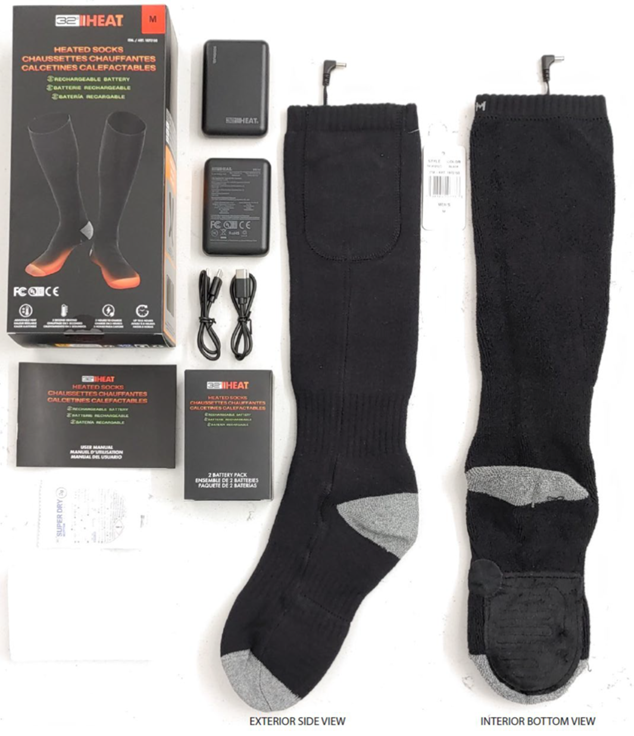
Unlike many other consumer products, heated socks are worn directly against the skin for extended periods. This creates a unique risk profile.
Potential concerns may include:
Because of these factors, even moderate overheating may result in significant injuries.
Heated socks typically include several components that work together to regulate temperature.
These may include:
When functioning properly, these systems are designed to maintain a safe, consistent level of warmth.
Burn injuries may occur when a heated sock does not regulate temperature properly.
Possible issues may include:
If any of these components fail, the product may generate excessive heat and cause injury.
Each case is unique, but injuries involving heated socks may arise in situations such as:
Sock Overheats During Normal Use
The heating element produces excessive heat, causing burns.
Battery Failure Leads to Temperature Spike
A malfunctioning battery causes uncontrolled heating.
User Does Not Notice Overheating Immediately
Gradual heat buildup leads to prolonged exposure and injury.
Each scenario may involve different technical and legal considerations.
Heated sock incidents may result in various types of burn injuries.
Common injuries may include:
In some cases, injuries may require medical treatment or leave lasting effects.
Heated sock injuries may affect a wide range of individuals.
Potentially affected users may include:
Because these products are used in diverse settings, risks may vary depending on use.
When a heated sock allegedly causes injury due to a defect, product liability laws may allow individuals to pursue claims.
Potentially responsible parties may include:
Legal claims may involve theories such as:
Allegations that the product may not safely regulate temperature.
Claims that certain units were produced with faulty components.
Arguments that consumers were not adequately informed about risks.
Claims related to testing, inspection, or quality control.
Each case depends on the facts and available evidence.
If a heated sock may have caused an injury, preserving evidence may be critical.
Helpful documentation may include:
Keeping the product in its post-incident condition may help determine what caused the injury.
Many injuries occur before recalls are announced.
A claim may still be possible if:
Recalls often follow reports of safety concerns.
Individuals affected by defective products may pursue compensation depending on their circumstances.
Potential damages may include:
These cases may involve both physical and emotional impacts.
If you or a loved one were injured while using heated socks, consider taking the following steps:
Prompt action may help preserve important evidence.
These cases may involve complex issues such as:
Because of these complexities, careful investigation may be required.
The Law Offices of Jason Turchin represents individuals nationwide in product liability and burn injury cases. The firm handles cases on a contingency fee basis, meaning there are no fees or costs unless money is recovered.
The firm may help by:
Yes. Malfunctions may lead to excessive heat and skin injuries.
Seek medical care and preserve the product if possible.
You may have legal options depending on the circumstances.
Manufacturers, sellers, or other parties may be involved.
Deadlines vary by state, so timely action may be important.
If you or a loved one were burned by heated socks that may have malfunctioned, you may have legal options worth exploring. The Law Offices of Jason Turchin can help review your case and explain potential next steps.
📞 Call (800) 337-7755 for a free consultation. There are no fees or costs unless money is recovered.
