Millions of Dollars
Recovered for Our Clients.
Recovered for Our Clients.
Let Us Fight for the Money You Deserve!










Electric heated blankets can provide warmth during cold weather, relieve discomfort, and make beds and couches more comfortable. Consumers may use these products for hours at a time, sometimes while sleeping, and reasonably expect the internal heating elements and temperature controls to operate safely.
However, a defective heated blanket may overheat, melt, smoke, ignite, or expose a consumer to dangerously high temperatures.
These incidents can potentially cause second-degree burns, third-degree burns, permanent scarring, house fires, smoke inhalation injuries, and other serious harm.
A September 2026 recall involving JKMAX heated blankets and heating pads illustrates the potential dangers. The U.S. Consumer Product Safety Commission (CPSC) announced that approximately 195,000 JKMAX products are being recalled because their internal wire heating elements can overheat, creating fire and burn hazards.
JKMAX has received 577 reports of blankets smoking, melting, or burning, including 53 reported burn injuries, according to the CPSC.
If you were burned by an electric heated blanket, call the Law Offices of Jason Turchin at (800) 337-7755 for a free consultation.
Our firm represents consumers in defective product and burn injury cases nationwide and may be able to investigate whether a defective heating element, electrical component, temperature controller, or other product failure contributed to your injuries.
An electric blanket typically contains insulated heating wires distributed throughout the fabric.
When electricity passes through those elements, they generate heat. A controller allows the consumer to select a temperature or heat level.
Several components must generally work together properly to prevent overheating.
Potential problems may involve:
If one or more safety systems malfunction, portions of the blanket may potentially become dangerously hot.
A consumer sleeping under the blanket may not recognize the problem until a burn has already occurred.
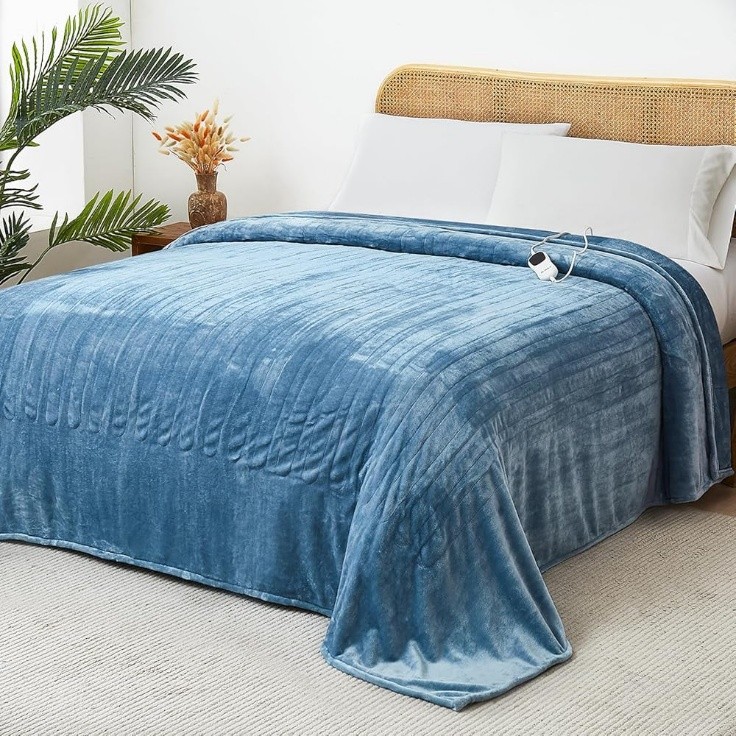
On September 17, 2026, the CPSC announced the recall of approximately 195,000 JKMAX heated blankets and heating pads.
According to the agency, the internal wire heating elements may overheat, creating both fire and burn hazards.
The recall involves all heating pads and heated blankets sold by JKMAX, including models identified by the CPSC as:
The products were available in blue, gray, brown, and red and were made from polyester fabric. Both the blankets and heating pads have detachable white controllers used to adjust the heat.
The model number can be found on the back of the remote and on a white label attached to the packaging.
The number of reported incidents associated with the JKMAX recall is significant.
According to the CPSC, JKMAX received:
577 reports of blankets smoking, melting, or burning because of overheating heating elements.
Those incidents included:
53 reported burn injuries.
A report associated with a recalled product does not necessarily establish the cause of every individual incident or prove legal liability. However, the number of reported overheating incidents may be relevant when investigating an injury involving one of the affected products.
According to the CPSC, the recalled JKMAX products were sold exclusively online through Amazon from September 2022 through July 2026.
They were available as individual products or two-packs.
The importer is identified as Jiande Pengshuai Trading Co., Ltd., of China.
The recall is identified as:
CPSC Recall Number 26-778
The CPSC advises consumers to immediately stop using the recalled blankets and heating pads.
JKMAX is offering consumers a full refund.
Official CPSC JKMAX Recall Notice
If no injury occurred, consumers should follow the manufacturer’s recall instructions.
However, if a heated blanket already caused a serious burn or fire, consider preserving the product before disposing of or returning it. The blanket, controller, cord, and other components may become important evidence in a potential product liability claim.
Several potential problems may cause or contribute to an overheating incident.
Electrical resistance inside the blanket’s wires generates heat. If a wire becomes damaged, improperly insulated, or otherwise defective, excessive heat may potentially develop in a concentrated area.
Consumers rely on the controller to regulate how much heat the blanket produces. A malfunction may potentially cause the blanket to remain hotter than the temperature selected by the user.
Some heated products use sensors to detect temperature and help prevent overheating. If a sensor does not accurately detect excessive heat, the product may continue operating.
Some electric blankets are designed to shut off after a specified period or when unsafe conditions are detected. If that protection fails, overheating may continue.
Damaged wiring or connections may potentially cause arcing, excessive heat, melting, or fire.
Failures involving cords, plugs, connectors, or controllers may also create electrical and thermal hazards.
Heated blankets present a particular risk because consumers frequently use them while sleeping.
A person who is awake may notice:
and stop using the product.
Someone who is asleep may have significantly less time to recognize the danger.
By the time the person wakes, the blanket may have already caused a burn or ignited bedding.
Potentially. A second-degree burn damages the outer layer of skin and extends into deeper skin tissue.
Symptoms may include:
More serious second-degree burns may require specialized wound treatment and can leave permanent scars.
A severe overheating or fire incident may potentially cause third-degree burns. Third-degree burns destroy the full thickness of the skin and may damage deeper tissue.
Treatment may involve:
Severe burns may leave permanent scarring, nerve damage, disfigurement, or limited mobility.
Yes. An electrical or heating-element malfunction may potentially ignite the blanket itself or surrounding materials.
Nearby combustible materials may include:
The JKMAX recall specifically involves both fire and burn hazards, and hundreds of incidents involving smoking, melting, or burning have been reported.
Burns are not the only potential injuries associated with an electric blanket fire. A person may also inhale smoke and combustion products.
Potential symptoms can include:
Severe house fires may cause substantial respiratory injuries even when a person avoids direct contact with flames.
Deep thermal burns can cause permanent scars. Potential complications may include:
Burns involving the face, hands, arms, legs, chest, or other visible areas may have significant physical and emotional effects.
Some deep burns cannot heal adequately without surgical treatment. A surgeon may perform a skin graft by taking healthy skin from another area of the patient’s body and using it to cover the damaged area.
A person requiring skin grafting may potentially face:
Future medical treatment may therefore become an important part of evaluating damages in a serious burn injury claim.
JKMAX is not the only heated blanket brand associated with a 2026 federal safety action. In July 2026, the CPSC warned consumers to immediately stop using certain Melinora Electric Heated Blankets because their internal wire heating elements could overheat and melt through the polyester fabric.
The CPSC reported five incidents involving smoking, melting, or burning, including one burn injury. The manufacturer, Leevana Inc., had been unresponsive to the agency’s requests for a recall or information about the product.
This separate warning illustrates why consumers who suffer heated blanket burns should preserve the product information even when their particular brand has not been formally recalled.
A person seriously injured by an allegedly defective electric blanket may potentially pursue a product liability claim. Our law firm has already handled heated blanket burn claims.
The available claims depend on the product, circumstances, jurisdiction, and evidence.
A lawsuit may allege that the blanket was designed in a manner that created an unreasonable overheating or fire risk.
Potential issues may involve:
A particular blanket may contain a manufacturing problem even if other units of the same model function normally.
Potential defects may involve:
A claim may allege that the manufacturer or another responsible party failed to provide adequate warnings about known or reasonably foreseeable overheating risks.
Potential allegations may involve:
Whether any particular theory applies requires an individual evaluation.
No. A recall is not necessarily required for a product liability claim. A consumer may potentially pursue a claim involving a product that has never been recalled if evidence shows that a defect caused the injury.
Similarly, a burn may have occurred months or years before a recall announcement.
A later recall could potentially identify a hazard relevant to an earlier incident, although the existence of a recall does not by itself establish liability.
A recall can provide important information about a product and an identified safety problem, but it does not automatically establish liability in every individual injury case.
A potential claim may require evidence showing:
The actual blanket and its electrical components may become particularly important evidence.
You may still have a potential claim. The JKMAX recall is one example of an overheating hazard involving electric blankets and heating pads.
Other manufacturers’ products may potentially experience problems involving:
A serious injury involving another brand may therefore warrant investigation even when that particular product is not currently subject to a recall.
A visible fire is not required for a serious burn injury. A defective heating element may create a localized hot spot capable of burning skin without producing flames.
This may be particularly dangerous when the consumer:
A product investigation may help determine whether an internal component overheated.
Melting fabric may potentially indicate excessive heat. After an injury, preserve the blanket in its post-incident condition when possible.
Do not attempt to:
Photograph melted or burned areas before moving the product when it is safe to do so.
A defective heated blanket may potentially cause injuries and substantial property damage.
Evidence may include:
After a serious fire, multiple parties may want to inspect the suspected product.
Preserving physical evidence can therefore become especially important.
Generally, no. Consider preserving the product if a serious injury has already occurred.
The blanket may contain evidence showing:
Preserve the controller, cord, plug, packaging, instructions, and purchase information when available. An engineer may need to examine these components.
Potential evidence may include:
If the blanket was purchased online, save screenshots or records showing the exact product ordered.
A potential claim may still warrant investigation.
Other evidence may include:
However, having the actual product available may assist an engineering investigation.
Depending on the circumstances and applicable law, potentially responsible parties may include:
Identifying the companies involved can sometimes be complicated when products are imported and primarily sold through online marketplaces.
Purchase records and product labels may help identify the relevant entities.
A person seriously injured by an allegedly defective heated blanket may potentially seek compensation for various damages.
Potential damages may include:
A severe burn may prevent someone from working for weeks or months.
Potential damages may include past lost income and, where appropriate, reduced future earning capacity.
Depending on applicable law, compensation may potentially be available for physical pain, emotional distress, permanent impairment, and reduced quality of life.
Permanent burn scars can substantially affect a person’s appearance, mobility, and daily life.
If a defective heated blanket allegedly starts a fire, a claim may potentially include damage to furniture, bedding, personal belongings, or a home.
When an allegedly defective heated product contributes to a fatal fire or burn injury, qualifying surviving family members may potentially have claims under applicable wrongful death law.
There is no standard settlement value for a heated blanket injury.
Potential case value may depend on factors including:
Someone who experiences temporary redness will generally present a very different damages picture from someone who suffers third-degree burns requiring hospitalization and skin grafts.
Prior settlements or verdicts involving other products do not determine the value of another person’s claim.
After a serious heated blanket injury:
For a house fire, preserve fire department and insurance investigation records as well.
Determining why a heated blanket overheated may require an electrical engineer or other product expert.
An investigation may examine:
Experts may also evaluate whether the product’s design contained appropriate safeguards against foreseeable overheating.
Medical experts may be needed to assess permanent scarring, reconstructive needs, and future treatment.
The Law Offices of Jason Turchin represents consumers nationwide in defective heated blanket, heating pad, appliance fire, electrical product, and serious burn injury cases.
Our firm can assist by:
Qualifying cases may be handled on a contingency fee basis, meaning attorney’s fees and costs are waived if there is no recovery.
Potentially. If a defective heating element, controller, wiring system, or other component caused a serious burn, a product liability claim may warrant investigation.
The CPSC says their internal wire heating elements can overheat, creating fire and burn hazards.
Approximately 195,000 products are included in the September 2026 recall.
The CPSC reports 53 burn injuries among 577 reports of JKMAX blankets smoking, melting, or burning because of overheating heating elements.
They were sold through Amazon from September 2022 through July 2026.
The CPSC advises consumers to stop using recalled JKMAX blankets and heating pads immediately and contact JKMAX for a full refund. If a serious injury already occurred, consider preserving the product as potential evidence before returning or disposing of it.
Potentially. A product does not have to be recalled for a product liability claim to exist. Evidence would still need to support allegations that a defect caused the injury.
Potentially. Severe overheating or fire may cause deep burns requiring hospitalization, surgery, skin grafts, or other extensive treatment.
Consider preserving the blanket, controller, cord, plug, packaging, and purchase records after a serious incident. The product may need to be inspected by an engineer.
Potentially. An investigation may examine whether an electrical or heating-element defect caused the fire and resulting injuries or property damage.
If you or a loved one suffered second-degree burns, third-degree burns, permanent scarring, skin grafts, smoke inhalation injuries, or other serious harm after an electric heated blanket allegedly overheated, melted, smoked, or caught fire, the Law Offices of Jason Turchin may be able to help evaluate your potential legal options.
Call (800) 337-7755 or chat with us for a free consultation.
Qualifying cases may be handled on a contingency fee basis. Attorney’s fees and costs are waived if there is no recovery.
